


Sturdy vs Rox:Customer Intelligence That Prevents Churn vs. Revenue Agents That Close Deals
Rox is the Agentic CRM: AI agents that research accounts, automate outreach, and drive pipeline for sales teams. Sturdy is the customer intelligence engine that analyzes every conversation across every channel to prevent churn and protect existing revenue. Both use AI on customer data. They solve opposite ends of the revenue equation.



At a Glance
A quick side-by-side so you can see the key differences

What is Sturdy?
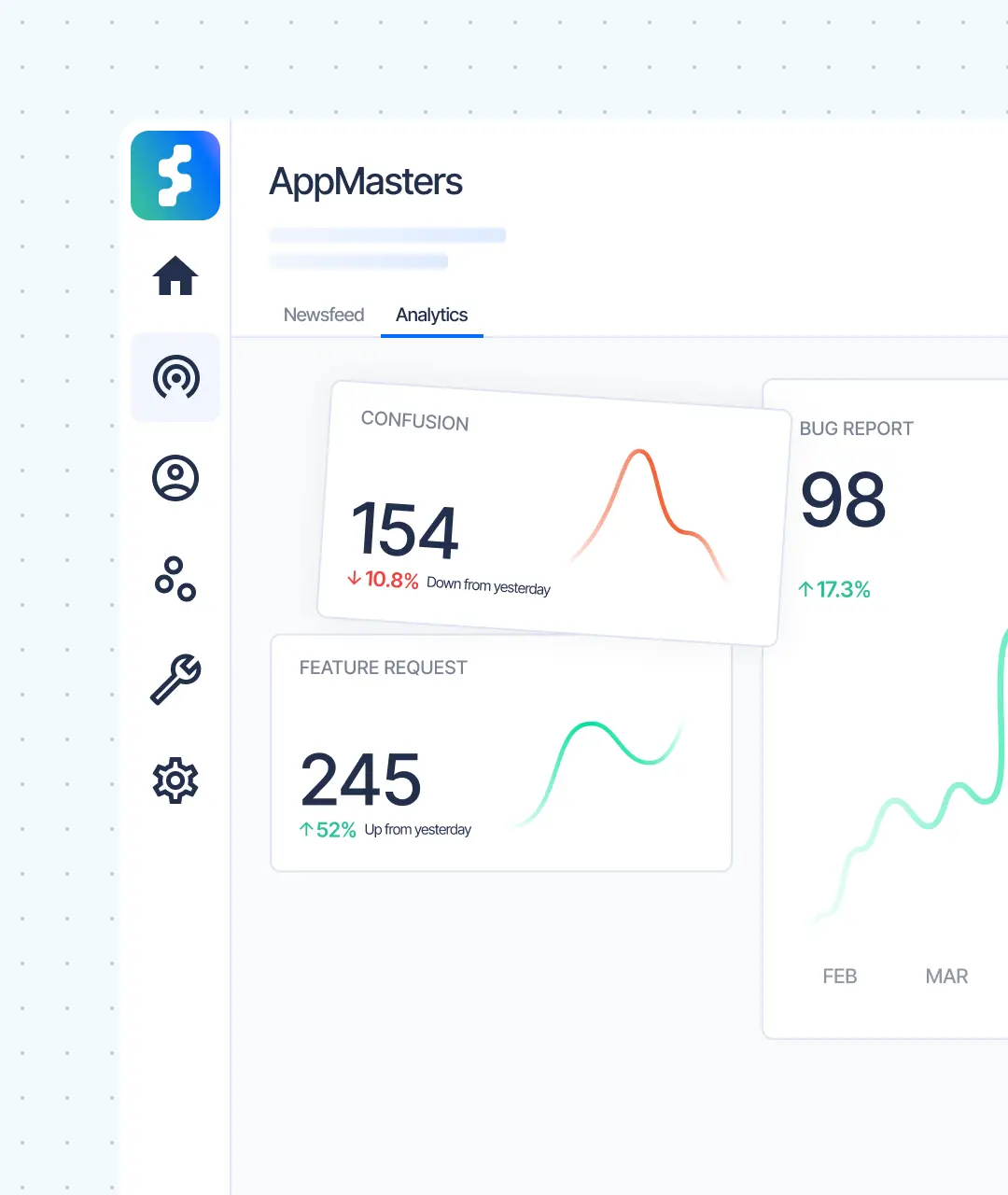
Sturdy is an AI-powered customer intelligence platform that reads every customer conversation (emails, support tickets, chat logs, call transcripts, Slack messages, and CRM notes) and extracts business-critical signals that indicate churn risk, expansion opportunity, escalation patterns, and customer health.
Where Rox deploys AI agents to automate sales workflows, Sturdy deploys AI models to understand what customers are actually telling you across every channel. The insight is the value: Sturdy surfaces the signals that let your team act before a customer churns, not after.
What is Rox?
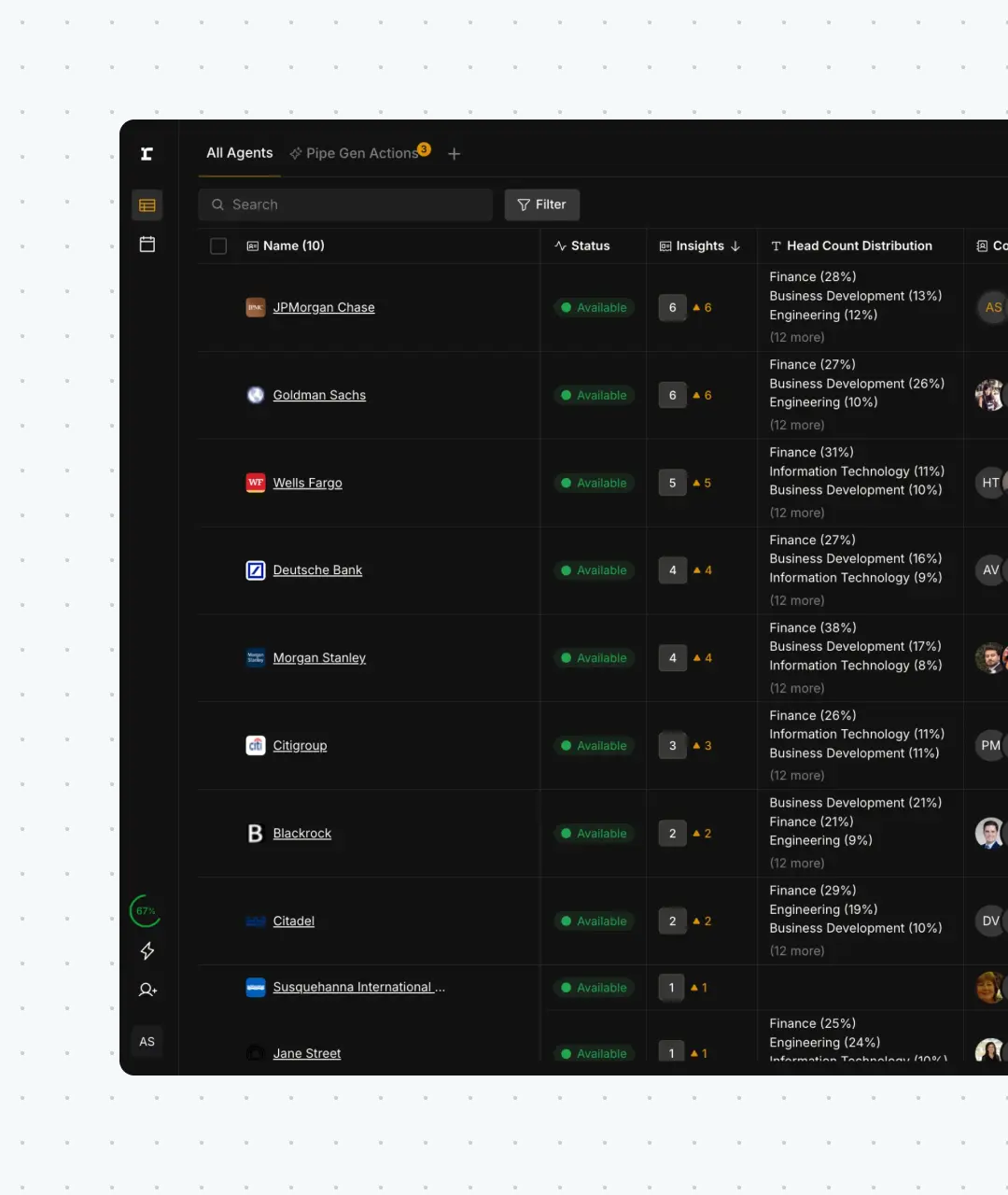
Rox is a warehouse-native Agentic CRM that deploys always-on AI agent swarms to automate revenue operations. Instead of just analyzing data and presenting dashboards, Rox's agents actively execute workflows: researching accounts, enriching leads, generating outreach, prepping meetings, and advancing pipeline.
Feature-by-Feature Breakdown
AI Architecture
Sturdy
Sturdy uses 30+ purpose-built vector-based ML models, each trained to detect specific business signals in customer language. Rather than general-purpose LLMs, these models are domain-specialized: one detects churn language patterns, another identifies escalation signals, another spots competitive threats. This specialization means higher precision for the specific signals that matter for retention.
Rox
Rox uses an "Agent Swarm," a fleet of AI agents (powered by OpenAI and Amazon Bedrock), each assigned to a specific account, that continuously monitor data and execute multi-step workflows. The architecture is three-tiered: data layer (GPT-4o mini for data unification), intelligence layer (mid-tier models for reasoning), and interaction layer (GPT-4o for outreach and meeting prep).
Verdict
Rox uses general-purpose LLMs for broad task execution. Sturdy uses specialized models for higher-precision signal detection.
Data Philosophy
Sturdy
Sturdy connects directly to conversation sources: email servers, ticketing systems, chat platforms, CRM. It doesn't need a data warehouse because the intelligence comes from analyzing what customers actually say, not structured data about them. This means faster setup and immediate insights from existing data.
Rox
Rox is warehouse-native: it connects to your existing data warehouse (Snowflake, Redshift, BigQuery) and enriches it with a public knowledge graph built from news, job postings, financial data, and press releases. This makes it powerful for account research and prospecting.
Verdict
Rox needs a data warehouse. Sturdy connects directly to conversation sources with no data engineering required.
Implementation & Time to Value
Sturdy
Sturdy connects to your existing communication tools in minutes. Since the conversations you need to analyze already exist in email, ticketing, and chat systems, there's no data capture infrastructure to build. Value starts from day one.
Rox
Rox's Enterprise tier requires data warehouse configuration, integration setup, and potentially custom data pipelines. The Starter tier is faster but limited to 10 agents. Full enterprise deployment can take weeks.
Verdict
Sturdy deploys in minutes. Rox Enterprise requires weeks of warehouse configuration.
Which Platform Is Right for You?
"Fantastic product for early warnings and insights."

Sturdy ensures that nothing goes unnoticed, so the right team members can act in time.





Also Compare With

Sturdy vs ChurnZero
ChurnZero automates customer success workflows. Sturdy reads every customer conversation to tell you what's actually happening.

Sturdy vs Vitally
Vitally is the modern, fast-to-deploy CS platform built for growth-stage SaaS. Sturdy is the AI that reads every customer conversation and tells you what's really happening.

Sturdy vs Staircase AI
Both Sturdy and Staircase AI analyze customer conversations to predict churn. But Staircase is now a Gainsight add-on, while Sturdy is the independent, purpose-built intelligence engine.

Sturdy vs Totango
Totango combines customer success, AI-powered churn intelligence, and customer growth tools. Sturdy is the AI engine that reads every conversation to surface what structured data misses.

Sturdy vs Gong
Gong built the category of revenue conversation intelligence, helping sales teams close deals faster. Sturdy built customer conversation intelligence, helping CS, support, and revenue teams retain customers and prevent churn.
Sturdy vs Rox
Rox is the Agentic CRM: AI agents that research accounts, automate outreach, and drive pipeline for sales teams. Sturdy is the customer intelligence engine that analyzes every conversation across every channel to prevent churn and protect existing revenue.

Sturdy vs Gainsight
Gainsight is the enterprise standard for customer success workflows. Sturdy is the AI engine that analyzes every customer conversation across every data silo.


FAQs

Not directly. Rox is an Agentic CRM focused on sales execution: automating pipeline generation, outreach, and deal management. Sturdy is a customer intelligence platform focused on retention — analyzing conversations for churn risk, customer health, and expansion signals. They serve different teams with different goals, though both use AI on customer data.
Yes. Sturdy's signals (churn risk, expansion opportunity, customer sentiment) can be pushed to CRM fields that Rox's agents then act on. For example, Sturdy detects an expansion signal in a customer email, updates the CRM, and Rox's agent incorporates that context into the next outreach or meeting brief.
Sturdy's approach is different. Rather than autonomous agents that execute tasks, Sturdy provides AI-powered intelligence that empowers your team to act with full context. Think of it as: Rox agents do the work; Sturdy intelligence informs the decisions. Both approaches have merits — the right choice depends on whether your bottleneck is execution capacity (Rox) or information visibility (Sturdy).
Sturdy connects directly to your conversation data sources (email servers, ticket systems, chat platforms, CRM) rather than requiring a data warehouse. This makes setup faster (minutes vs. weeks) and means you don't need a data engineering team to get started. For enterprise customers with warehouse setups, Sturdy can also integrate with existing data infrastructure.
Sturdy, hands down. Churn prevention is Sturdy's core purpose. Its models are trained to detect the specific language patterns, sentiment shifts, and behavioral signals that precede churn — across 3.2B+ words of customer conversation data. Rox's agents are optimized for sales workflows, not post-sale intelligence.
Rox offers a free Starter plan (10 agents, 2,500 actions/month), a Core plan at $50/month (100 agents, 5,000 actions), and Enterprise pricing on request. Sturdy's pricing is available on request — contact the team for a quote based on your conversation volume and use case.